


Warm White vs Cool White LED Bulbs: Which One Should You Choose?
Choosing between warm white and cool white LED bulbs can feel confusing when you are faced with a shelf full of options. The difference comes down to colour temperature, measured in Kelvins (K), and each type creates a very different atmosphere in your home. Warm white bulbs produce a soft, yellowish glow that feels cosy and relaxing, while cool white bulbs give a brighter, bluish-white light that helps you stay alert and focused. Getting the right colour temperature for each room matters more than you might think. This guide will help you understand the key differences, where to use each one, and how to pick the best option for your lighting needs.
What Is Colour Temperature?
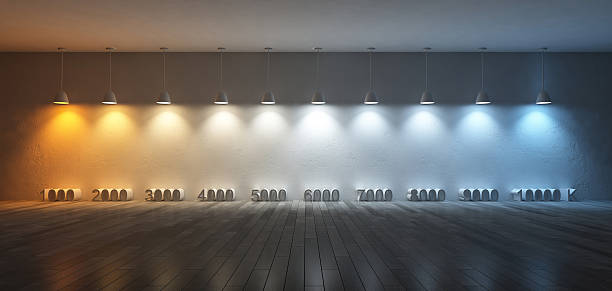
Colour temperature is a way of describing the appearance of light from a bulb. It is measured in Kelvins (K). Lower Kelvin numbers, such as 2700K, give off a warm, yellowish light that resembles older incandescent bulbs. Higher Kelvin numbers, like 5000K, produce a cooler, bluish-white light that mimics natural daylight. The scale runs from very warm (around 1800K) to very cool (6500K and above). For most homes, the two main categories are warm white and cool white, with daylight as a third option for specific tasks. Understanding the Kelvin scale makes it much easier to compare bulbs and choose the right one for each room.
Warm White LED Bulbs Explained
Warm white LED bulbs typically have a colour temperature between 2700K and 3200K, though some ranges start as low as 2000K. The light has a yellowish or orange tint that feels soft and inviting. This type of lighting is closely associated with relaxation and cosiness. It works well in rooms where you want to wind down and feel comfortable. Warm white bulbs are often chosen for living rooms, bedrooms, and dining areas because they create a welcoming atmosphere that encourages conversation and rest. They also complement wooden furniture, warm paint colours, and textile finishes by adding a gentle glow that does not wash out the tones.
Cool White LED Bulbs Explained
Cool white LED bulbs usually have a colour temperature between 4000K and 5000K, although some definitions place them from 3000K to 4500K. The light is brighter and crisper with a bluish-white tint. Cool white lighting is known for being energising and promoting concentration. It is a popular choice for kitchens, bathrooms, home offices, and other workspaces where you need to see clearly and stay focused. Because cool white bulbs often produce a higher lumen output than equivalent warm white bulbs, they can make a space feel cleaner and more spacious. This colour temperature also helps when you need to distinguish fine details, such as when reading labels or preparing food.
Daylight Bulbs: A Separate Category
Daylight LED bulbs have colour temperatures between 5000K and 6500K. They mimic the colour of natural daylight on a clear midday. Daylight is often used in garages, workshops, and security lighting where strong, neutral light is needed. It is not typically chosen for living spaces because it can feel harsh and clinical. Some people also use daylight bulbs for tasks that require accurate colour perception, such as art studios or sewing rooms. For most general home use, warm white and cool white cover the vast majority of needs.
How Colour Temperature Affects Mood and Atmosphere
The colour temperature of your lighting directly influences how a room feels. Warm white light promotes relaxation and cosiness. It lowers the contrast between shadows and highlights, making the environment feel softer and more intimate. This is why warm white is the standard choice for living rooms and bedrooms. Cool white light, on the other hand, stimulates alertness and concentration. It creates a more vibrant, modern atmosphere that can help you stay productive. Many people notice that cool white lighting makes a room feel cleaner and more organised, which is why it is often used in retail shops and offices. Matching the colour temperature to the activity you do in each space can improve both comfort and efficiency.
Which Rooms Need Warm White?
Warm white bulbs are best for areas where you relax, socialise, or sleep. In living rooms, they create a welcoming setting for watching television or spending time with family. In bedrooms, warm white helps signal to your body that it is time to wind down. Dining rooms also benefit from warm white because it makes food and people look more flattering. Hallways can be warm white if you want a gentle transition between rooms, but many people also use a slightly higher temperature for practical visibility. The key factor is the mood you want to achieve. If the room is meant for relaxation, warm white is almost always the better choice.
Which Rooms Need Cool White?
Cool white bulbs suit spaces where you need to see clearly and stay focused. Kitchens are a prime example because you need bright, shadow-free light for chopping, measuring, and reading recipes. Bathrooms benefit from cool white to help with shaving, applying makeup, and general hygiene tasks. Home offices and studies need cool white to reduce eye strain and maintain concentration over long periods. Utility rooms, garages, and workshops also work well with cool white because it reveals details more clearly. Retail environments often use cool white to make products look clean and well lit. If the room is task oriented, cool white is usually the right option.
Warm White vs Cool White for Outdoor Spaces
For outdoor lighting, the choice between warm white and cool white depends on the effect you want. Warm white creates a welcoming and cosy atmosphere around patios, decking, and garden seating areas. It makes outdoor spaces feel more like an extension of your living room. Cool white is often preferred for security lighting and driveways because its brighter appearance helps improve safety and visibility. If you have a security light that activates when motion is detected, cool white can make the area feel more secure. For decorative garden lighting, warm white tends to highlight plants and flowers in a more natural way. Many people use a mix of both for different zones around their property.
Brightness and Lumen Output
Colour temperature and brightness are two separate things, but they are often confused. Brightness is measured in lumens, not Kelvins. However, cool white bulbs generally appear brighter than warm white bulbs of the same wattage because the human eye is more sensitive to bluish light. Many cool white LEDs also have a slightly higher lumen output than their warm white equivalents. When comparing bulbs, always check the lumen rating rather than assuming one colour temperature will be brighter. If you want your room to feel very bright, cool white will deliver that impression more strongly than warm white at the same lumen level.

How to Make the Final Decision
Start by thinking about the primary activity in each room. If it is a space for resting, choose warm white. If it is a space for working, choose cool white. Next, consider the existing decor. Warm white complements earthy tones, woods, and warm paint colours. Cool white works well with modern, minimalist interiors and neutral palettes. If you are still unsure, you can try using a bulb with a colour temperature in the middle, often called natural white (around 3500K to 4000K). This provides a balance between warm and cool. Many online retailers offer multi-packs so you can test different temperatures without buying a full set.
Frequently Asked Questions
What does 2700K mean on an LED bulb?
2700K is a colour temperature measured in Kelvins. It produces a warm, yellowish light similar to traditional incandescent bulbs. This is the most common warm white rating and is ideal for living rooms and bedrooms.
Can I mix warm white and cool white bulbs in the same room?
Mixing colour temperatures in the same room can create an uneven look that feels disjointed. It is usually better to stick with one colour temperature per room for a cohesive atmosphere. If you need task lighting in one area, consider using a separate fixture with cool white rather than mixing on the same circuit.
Is cool white the same as daylight?
No. Cool white typically ranges from 4000K to 5000K, while daylight runs from 5000K to 6500K. Daylight is bluer and brighter, mimicking natural midday sun. Cool white is still a bluish light but is not as extreme as daylight. They serve different purposes.
Do warm white bulbs use more electricity than cool white?
Both warm white and cool white LEDs are energy efficient and use far less electricity than incandescent or halogen bulbs. The difference in energy consumption between the two colour temperatures is negligible for similar lumen outputs. Always check the wattage and lumen rating for efficiency.
Which colour temperature is best for a home office?
Cool white (4000K to 5000K) is generally best for a home office because it promotes alertness and reduces eye strain during long working hours. It provides clear, bright light that helps you focus on tasks. You can add a warm white desk lamp for softer ambient light if preferred.
Choosing between warm white and cool white LED bulbs comes down to the function and feel of each room. Warm white creates a relaxing, cosy environment perfect for living rooms and bedrooms. Cool white delivers bright, energising light ideal for kitchens, bathrooms, and workspaces. Understanding the Kelvin scale and thinking about how you use each space will help you make the right choice. If you are still uncertain, start with a small pack of each temperature and experiment in the actual room. The right colour temperature can transform your home, making every space more comfortable and functional.
