


Dimmable LED Light Bulbs: A Practical Guide for UK Homes
Dimmable LED bulbs give you the ability to adjust the brightness of your lighting to match your mood or task. Whether you want a soft glow for a relaxing evening or brighter light for cooking, these bulbs offer flexibility while keeping energy use low. As more UK households switch to LED technology, understanding how dimmable LED bulbs work, what you need to check before buying, and how to get the best results becomes essential.
How Dimmable LED Light Bulbs Work
A standard non-dimmable LED bulb works with a steady electrical supply. A dimmable LED bulb, however, contains more complex circuitry that can interpret the chopped waveform produced by a dimmer switch. This allows the bulb to adjust its light output according to the position of the dimmer control. Not every LED bulb can do this. The packaging or product description will clearly state whether it is dimmable. Using a non-dimmable bulb on a dimmer switch can cause flickering, buzzing, or even damage to the bulb.
Because the electronics are more sophisticated, dimmable LED bulbs tend to cost a little more than their non-dimmable counterparts. The extra cost pays for the components that allow smooth dimming and reliable performance over many years.
Key Benefits of Dimmable LED Light Bulbs
Switching to dimmable LED bulbs brings several practical advantages for UK homeowners and renters.
- Energy savings – When you dim a light, you reduce its power consumption. Over time, that can lower your electricity bills.
- Long lifespan – LED bulbs last much longer than traditional incandescent bulbs. Many dimmable LED products offer an average life of 15,000 hours, and some models are rated for up to 25,000 hours.
- Ambience control – Being able to change the brightness from bright to low lets you create different atmospheres in a room without changing bulbs or fixtures.
- Compatibility options – Dimmable LEDs work with standard dimmer switches, and some models offer dimming without needing a separate dimmer at all, such as bulbs with SceneSwitch or smart features.
Types of Dimmable LED Bulbs and Dimming Methods
Not all dimmable LED bulbs dim in the same way. The method you choose depends on your existing switches and how much control you want.
Traditional Dimmer Switch
Most dimmable LED bulbs work with a compatible leading-edge or trailing-edge dimmer switch. Some manufacturers, such as Philips, produce bulbs that are designed to be flicker-free and hum-free when used with a suitable dimmer. Philips even certifies some of its bulbs under the EyeComfort criteria, meaning they are tested for stroboscopic effect, glare, and other factors that affect comfort.
SceneSwitch Dimming
SceneSwitch is a Philips technology that lets you dim your lights using your existing standard light switch. Instead of installing a special dimmer, you simply toggle the switch on and off within a short time to cycle through three preset brightness levels. This is a convenient option if you do not want to replace your current switch or if you are renting and cannot alter the wiring.
Smart Dimmable LED Bulbs
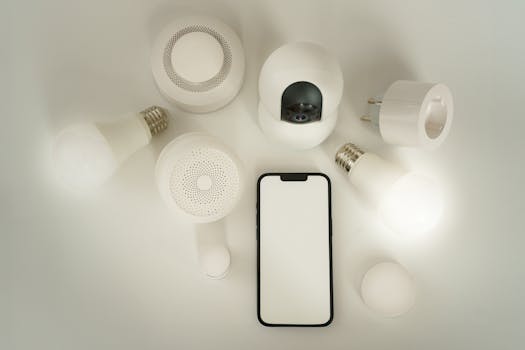
Smart dimmable LED bulbs connect to your home network and can be controlled through a smartphone app or by voice assistants such as Amazon Alexa. They let you adjust brightness, schedule lighting changes, and sometimes change colour temperature. It is a more flexible solution, though it usually requires a compatible hub or Wi-Fi connection.
Dimmable LED bulbs are available in many cap fittings to suit UK light fixtures. Common options include E14, E27, B15, B22, MR16, GU10, and G4. Always check that the bulb you buy matches the fitting in your lamp or ceiling light.
Choosing the Right Dimmable LED Bulb for Your Home
With so many options on the market, selecting the best dimmable LED bulb for your needs comes down to a few key points.
Check the Cap Fitting
Before anything else, identify the base type of your existing bulb. The most common UK fittings are Bayonet (B22) and Edison Screw (E27), but smaller lamps often use E14 or B15. Spotlights usually use GU10 or MR16. Buying the wrong fitting is the most common mistake, so double check before you order.
Confirm Dimmer Compatibility
Not every dimmable LED bulb works with every dimmer switch. Some brands provide lists of compatible dimmers on their websites. Philips, for example, publishes a compatibility PDF. If you already have a dimmer installed, check whether the bulb you are considering is listed as compatible. If you are installing a new dimmer, choose one designed for LED loads to avoid flickering.
Consider the Colour Temperature
Dimmable LED bulbs come in a range of colour temperatures, from warm white (around 2700K) through natural white to cool white (above 4000K). Warm white is popular for living rooms and bedrooms, while cool white is often used in kitchens and workspaces. Many dimmable bulbs keep the same colour temperature when dimmed, but some models, such as Philips WarmGlow bulbs, change to a warmer tone as they dim, mimicking the behaviour of old incandescent bulbs.
Look at Bulb Shape and Size
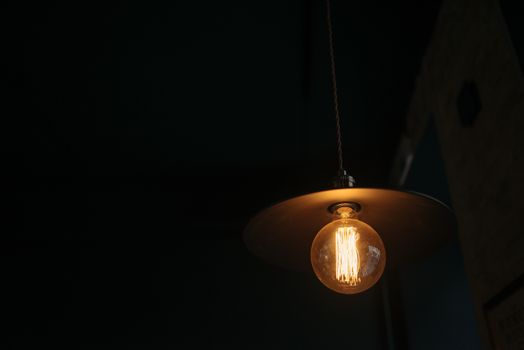
If your light fixture is open or uses a shade that exposes the bulb, you might prefer a decorative filament design. Filament LED bulbs have a vintage look and are now available in dimmable versions. Stick bulbs and candle shapes are also widely available. Always ensure the bulb fits physically inside the shade or housing.
Frequently Asked Questions
Can I use a dimmable LED bulb with any dimmer switch?
Not all dimmer switches are suitable for LED lighting. Older dimmers designed for incandescent bulbs may not work well with LEDs and can cause flickering or reduced dimming range. It is best to check the compatibility between the specific bulb and dimmer, using the manufacturer's guidance where available.
Do I need a special dimmer for LED bulbs?
Although some modern LED dimmers are labelled as LED-compatible, you may be able to use an existing trailing-edge dimmer if it is designed for low loads. If your dimmer was made before LEDs became common, you might need to replace it with one rated for LED use to get smooth dimming.
What does SceneSwitch mean?
SceneSwitch is a technology developed by Philips that lets you dim a light without a separate dimmer switch. You use the existing light switch to toggle between three preset brightness levels by switching off and on quickly. It is a convenient solution for rooms where installing a dimmer is not practical.
How long do dimmable LED bulbs last?
LED bulbs generally last much longer than traditional bulbs. Many dimmable LEDs have a rated life of 15,000 hours, and some premium models can last up to 25,000 hours. The actual lifespan depends on usage, the quality of the bulb, and whether it is used with a compatible dimmer.
Can I use a dimmable LED bulb in a non-dimmable circuit?
Yes, you can use a dimmable LED bulb in a standard non-dimmable fixture with a normal on/off switch. It will operate at full brightness and work exactly like a non-dimmable bulb. However, it may cost slightly more than a non-dimmable version, so you do not always need to buy dimmable bulbs unless you plan to use a dimmer.
Choosing dimmable LED light bulbs gives you control over your home lighting while keeping energy bills low and reducing the frequency of bulb changes. Whether you opt for a simple dimmer switch, a SceneSwitch bulb, or a smart connected solution, checking the cap fitting, dimmer compatibility, and colour temperature will help you get the best performance. With many reliable options from brands like Philips and others, it is easy to find bulbs that suit your home and last for years.
