


Best Energy Saving Light Bulbs for Lower Electricity Bills
Switching to energy saving light bulbs is one of the easiest ways to cut your electricity bills. LED bulbs use far less power than older types. They also last much longer. This guide explains the best options and how much you can save.
LED light bulbs are the most efficient choice available. They use up to 80% less electricity than traditional incandescent bulbs. A typical household saves around £4 to £6 per bulb each year. Over several bulbs, that adds up to significant savings. Explore our range of energy-saving LED bulbs to get started.
Why LED Bulbs Save the Most Energy
LED stands for light emitting diode. These bulbs convert most of their energy into light, not heat. Incandescent bulbs waste a lot of energy as heat. That is why LEDs use 80% to 90% less energy for the same brightness. They also last up to 25 times longer than incandescent bulbs.
According to the Energy Saving Trust, LEDs are just as powerful as halogen lights but use 80% less electricity. This makes them the most energy efficient light bulb type.
How Much Could You Save?
The exact savings depend on how many bulbs you replace and how long they are on. A single LED bulb can save £4 to £6 per year. If you replace ten bulbs, that is £40 to £60 annually. Uswitch reports that fitting LEDs throughout a home could save around £40 a year on electricity bills.
Ultra-low energy LED bulbs, such as some 2.2W GLS models, cost only about £1.37 per year to run. That is a fraction of the cost of an old incandescent bulb.
Comparing Bulb Types
The table below shows how different bulb types compare in energy use and lifespan.
|
Bulb Type |
Energy Use vs Incandescent |
Typical Lifespan |
Annual Saving per Bulb* |
|---|---|---|---|
|
Incandescent |
Baseline (100%) |
1,000 hours |
- |
|
Halogen |
Slightly more efficient |
2,000–3,000 hours |
Small |
|
LED |
80–90% less energy |
Up to 25 times incandescent |
£4–£6 per bulb per year |
*Based on typical household usage. Actual savings may vary.
Key Features to Look For
Lumens and Wattage
Brightness is measured in lumens, not watts. A 7.2W LED bulb produces around 800 lumens. That matches the light from a 60W traditional bulb. Always check the lumen output to get the right brightness.
Energy Rating
Look for A-rated bulbs. An A-rated 7.2W LED bulb delivers the same light as a 60W traditional bulb. It uses far less electricity and reduces your carbon footprint.
Dimmable Options
Some LED bulbs are dimmable. Check the product details if you need dimming. Non-dimmable LEDs should not be used with dimmer switches. We offer a selection of dimmable LED bulbs for different fittings.
Colour Temperature
Warm white (2700K) suits living rooms and bedrooms. Cool white (4000K) works well in kitchens and bathrooms. Natural white (3000–4000K) is a good middle option. All are available in energy-saving LED versions.
Base Type
Common base types include B22 (bayonet), E27 (screw), GU10 (spotlight), and G4 (small pins). Choose the correct base for your existing fittings.
Popular Energy Saving Bulb Types
GLS (General Lighting Service) Bulbs
These are the traditional bulb shape. LED GLS bulbs are available in multi-packs. A pack of 6 non-dimmable GLS energy-saving bulbs covers several rooms. They fit standard bayonet or screw fittings. Browse our GLS energy saving bulbs for quick replacements.
GU10 Spotlights
GU10 LED bulbs are common in kitchens and downlights. They use 80% less energy than halogen spotlights. Many last for years without needing replacement.
Filament Bulbs
Filament-style LEDs combine a vintage look with modern efficiency. They use the same low energy as other LEDs. They add decorative charm to exposed bulb fittings.
Real-World Examples
Philips LED Frosted Non-Dimmable bulbs use 80% less energy than a standard incandescent bulb. They can last up to 10 years. That means fewer replacements and lower long-term costs.
Ultra-low energy LED GLS bulbs running at just 2.2W cost about £1.37 per year to operate. These are ideal for lights that stay on for long periods, such as hallway or security lights.
How to Choose the Right Bulb for Your Home
Start by checking the fitting type of your current bulb. Then decide on brightness (lumens) and colour temperature. Look for A-rated energy efficiency. Choose dimmable if you have dimmer switches. Replacing the bulbs you use most often gives the quickest savings.
LED bulbs work in almost all standard fittings. They are suitable for indoor and outdoor use. Many outdoor LEDs come in weatherproof ratings such as IP44. Always check the packaging for outdoor suitability.
Environmental Benefits
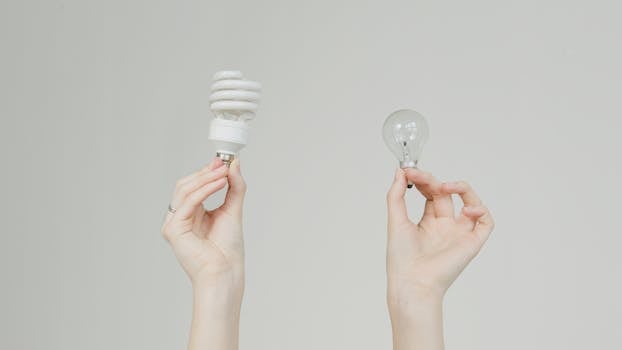
Using less electricity reduces your carbon footprint. An A-rated LED bulb cuts energy consumption significantly. Widespread adoption of LEDs helps lower overall energy demand. This is good for both your wallet and the planet.
Frequently Asked Questions
How much money can I save by switching to LED bulbs?
Households typically save £4 to £6 per bulb per year. Replacing all bulbs in a home with LEDs could save around £40 annually on electricity bills. The exact amount depends on usage and the number of bulbs replaced.
Which light bulbs consume the least electricity?
LED bulbs consume the least electricity. They use up to 90% less energy than traditional incandescent bulbs and 80% less than halogens. Ultra-efficient models use as little as 2.2 watts, costing roughly £1.37 per year to run.
What is an A-rated LED bulb?
An A-rated LED bulb meets the highest energy efficiency standard. A 7.2W A-rated bulb produces the same brightness as a 60W traditional bulb. It significantly reduces your electricity bills and carbon footprint.
Do energy saving light bulbs last longer?
Yes. LED bulbs last up to 25 times longer than traditional incandescent bulbs. Many are rated for 15,000 to 25,000 hours. This means they can last over a decade in typical household use before needing replacement.
Are dimmable energy saving bulbs available?
Yes, many LED bulbs are available in dimmable versions. Always check the product details to confirm compatibility with your dimmer switch. Non-dimmable LEDs should not be used with dimmer controls.
Switching to energy saving light bulbs is a simple step toward lower electricity bills. LED bulbs offer the best performance, longest life, and greatest savings. Start by replacing the bulbs you use most often and see the difference on your next bill.
